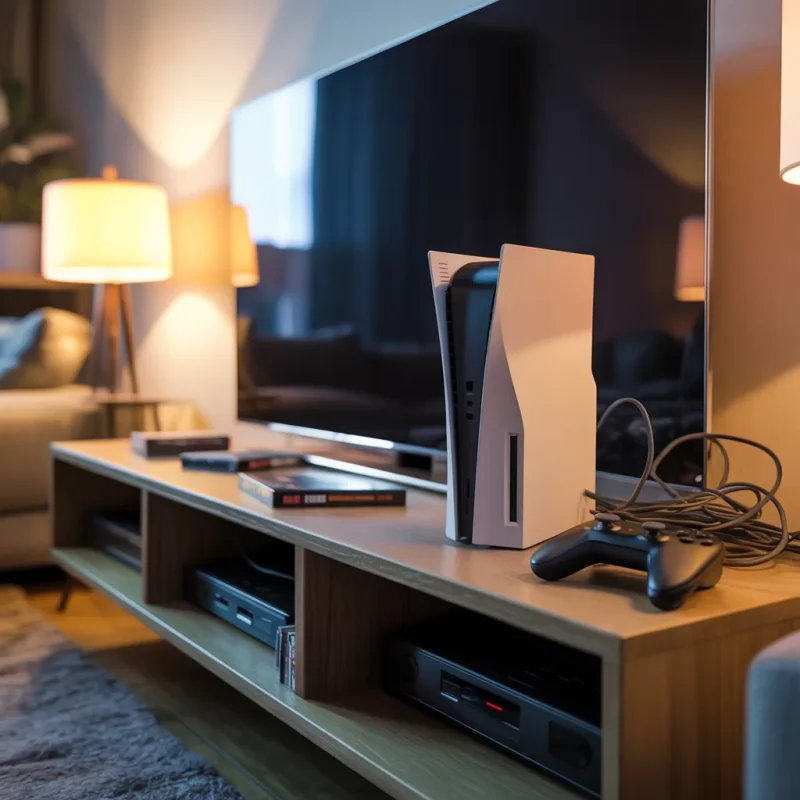
Gaming is a very interesting and fun activity, and accessories are also crucial in enhancing the gaming experience. From controllers to headsets to charging docks, these accessories can become the standard tools of many gamers. However, like all electronic devices, it has its own wear and tear and the durability of these accessories essentially depends on how they are treated.
It might be tempting to pick newer accessories, yet repairing these is generally the better choice both economically and environmentally speaking. Sometimes when professional help is needed, you can find expert game console services in Lawrence and electronics repair services in Trenton (if you are in Lawrence or Trenton) that specialize in gaming hardware. This article covers the basics of repairing gaming accessories and consoles, including diagnosis, troubleshooting, and prevention.
Common Game Console Accessories That Need Repair
Controllers: Controllers are perhaps the most used accessories in any gaming setup. As a result of that, it can also lead to a number of problems due to constant use. Some of the most common problems with controllers include the following –
- Buttons Not Responding: After normal wear and tear, the buttons can become less effective as a result of excessive pressing, excessive dust build-up, or issues with the internal wiring.
- Drift Issues: Controller drift, where joysticks move on their own, is a frustrating issue plaguing modern consoles.
- Battery Problems: Charging issues or battery depletion can render a controller useless, especially if the battery is not replaceable.
Headsets: Headsets help make gaming more fun by giving good sound and talking tools. But, they can have problems like;
- Sound Issues: Faulty wiring or a damaged jack can render headphones useless, causing sound to warp, volume to dwindle, or audio to drop out entirely.
- Mic Malfunctions: Gamers count on mics for chat in games. When these fail it can mess up play.
- Connectivity Problems: Wired and wireless headsets can have connect issues, either from bad wires, signal noise or software troubles.
Charging Docks & Cables: Charging docks & cables are key for keeping your controllers and other gadgets powered. Usual problems͏ include,
- Cracked Charging Port: An old and worn-out charging port can stop your things from charging right.
- Wire Wear or Damage: As time passes, charging wires can get worn out, leading to spotty power or no power at all.
External Storage Devices: Some reported problems with external storage devices are as follows:
- Connection Problems: When external storage devices do not connect to the console, it could be faulty ports or cables.
- Drive Corruption or Failure: External hard drives sometimes get corrupted, which can cause data loss or inability to load saved files.
Diagnosing the Problems
The first step before starting a repair is to diagnose the problem properly. Begin with these diagnostic steps –
- Check for Software Issues: Occasionally, an accessory issue may stem from outdated software or other settings. Make sure your console’s firmware is up to date and check relevant settings.
- Test the Connections: If you’re working with a wired accessory, examine both the cable and port for damage. If it’s a wireless accessory, make sure that it’s properly synced to your console.
- Leverage Diagnostic Tools: Modern consoles often come with built-in diagnostic tools designed to assist users in identifying and resolving accessory-related issues. For instance, PlayStation and Xbox both have controller calibration and troubleshooting capabilities available in their settings menus.
DIY Repair Guide
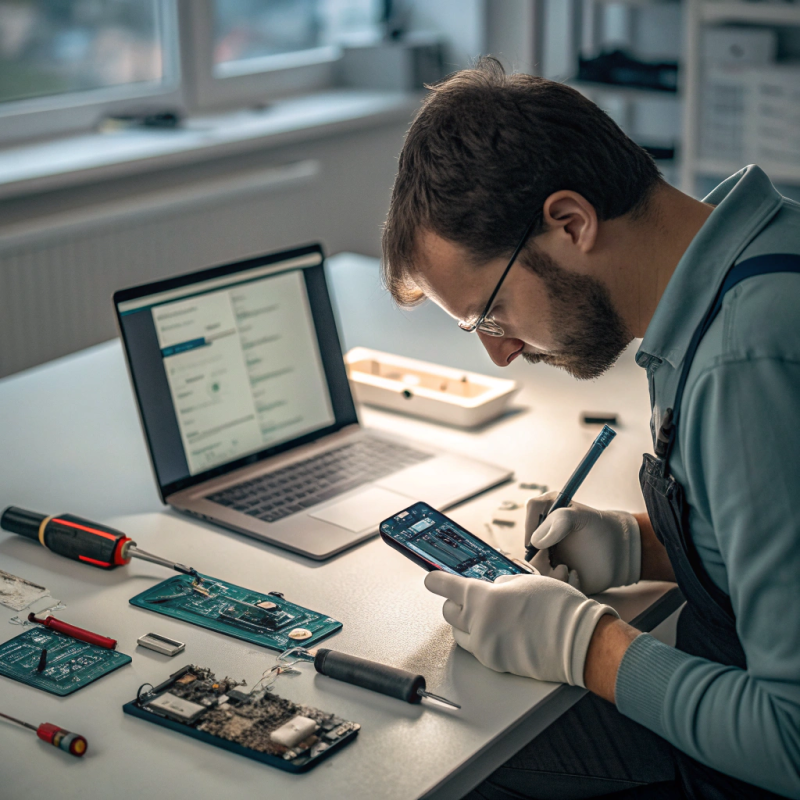
If you’ve diagnosed the problem and are comfortable doing some hands-on work, many accessory issues can be repaired at home. A few common DIY repair advice are:
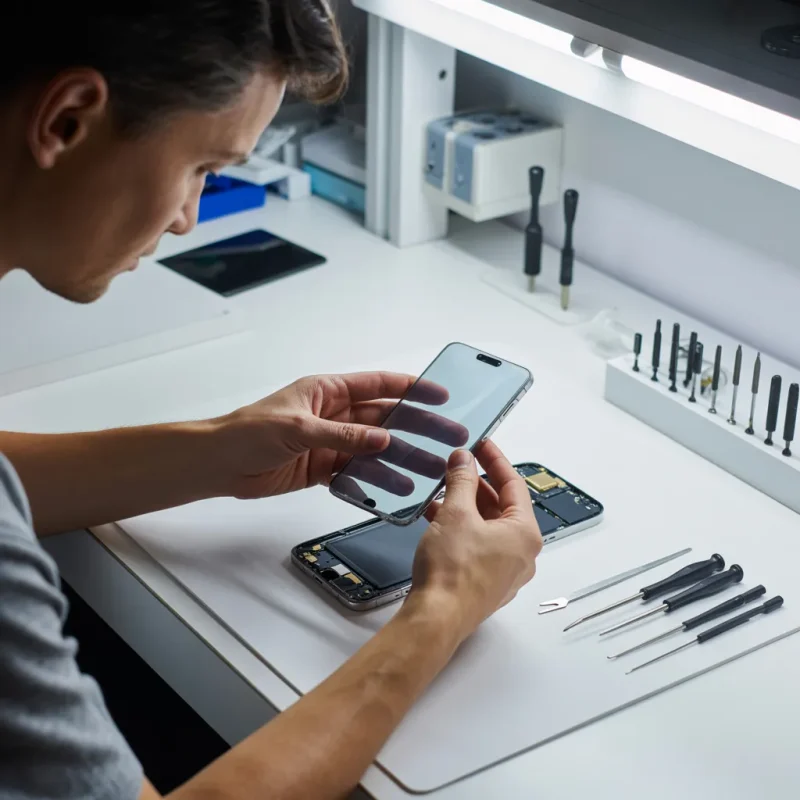
- Controller Repairs: Dirt and grime can build up inside your controller as time passes, potentially leading to button malfunctions or drift problems. For dust or debris, carefully disassemble the controller (removing screws, using a plastic prying tool), if you need to and use a microfiber cloth and even compressed air to clean it out. Be careful not to harm any internal parts.
- Fixing Drift Issues: If your controller experiences drift, there are a few options for treatment. Try recalibrating the controller through the settings on your console, first. If this doesn’t work, the analog stick or the internal sensor may need replacing (typically possible with an aftermarket repair kit).
- Replacing the Battery: With rechargeable controllers, the battery will eventually die. To replace it, you have to open up the controller, get out the old battery, and put in a new one that works with the model.
Headset Repairs
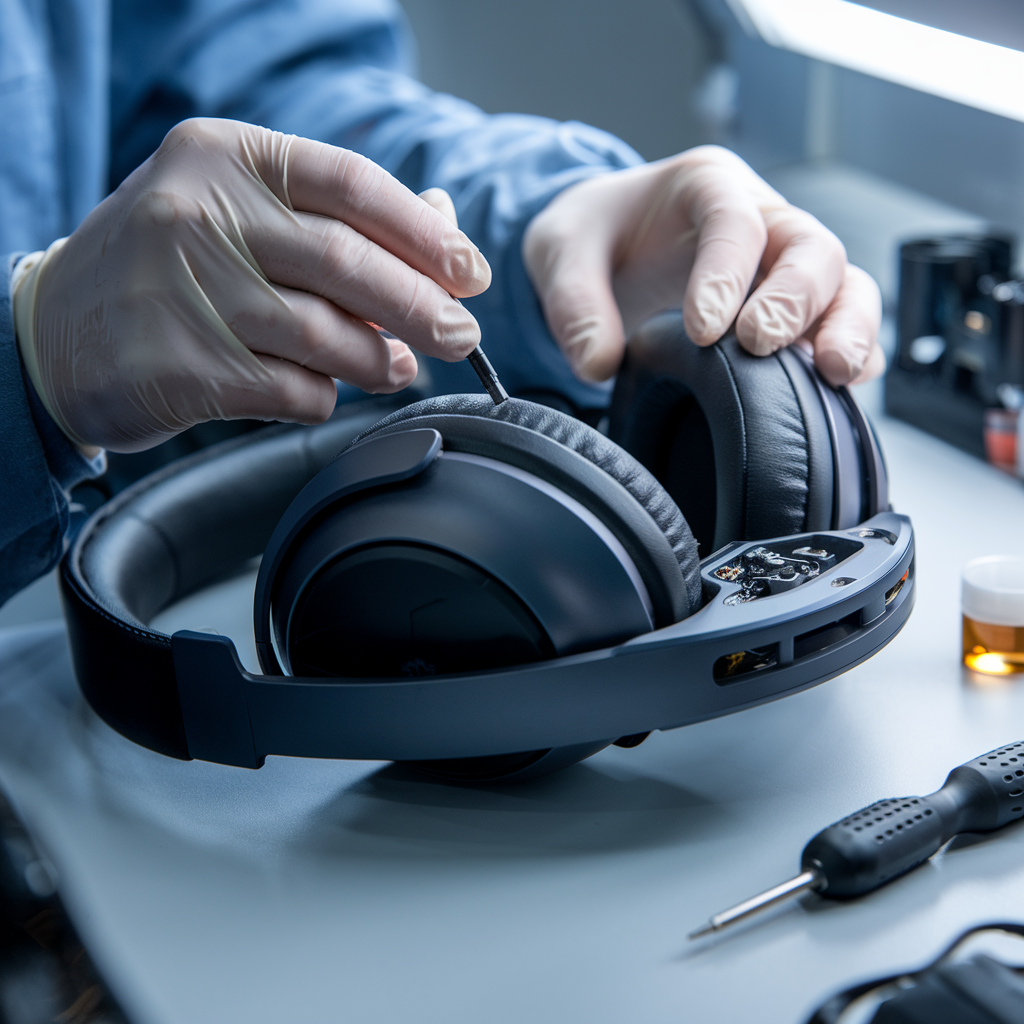
- Ear Pads Replacement: As time goes by, the ear pads of headsets wear away and affect comfort as well as audio quality. Most headsets do offer replacement pads, which can simply be removed and replaced with new pads, if this happens.
- Troubleshooting Audio and Microphone Issues: If the audio gets distorted or the microphone does not work, there could be a problem with the wiring. Check the cable for damage closely. If the cable is okay, the problem may lie in the drivers or in the internal parts. It can be something as simple as a wayward microphone replacement or a soldering job.
- Cleaning the Jack: If you’re using a wired headset, ensure the audio jack is clean. Occasionally, dirt or debris can get in the way and short the connection, resulting in sounds coming and going. Clean the jack with a cotton swab and some isopropyl alcohol.
Charging Docks & Cables
- Charging Port Repairs: If your dock or controller port is damaged, usually cleaning out the port and removing dirt or corrosion can fix it. If the port itself is damaged, you may have to replace the entire thing, which can require soldering the new port into place.
- Replacing Worn Cables: The fastest fix to a frayed charging cable is a direct replacement. Just make sure to purchase a quality replacement that’s suitable for your device. You can also apply heat-shrink tubing to the cable, where it is susceptible to potential damage.
External Storage Device Troubleshooting
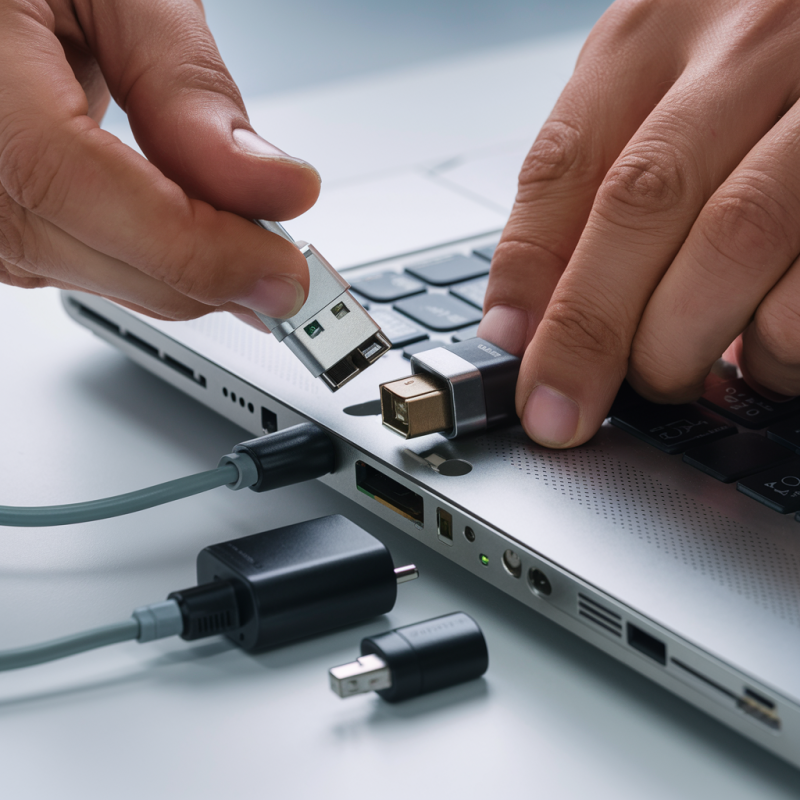
- Connection Failures: In the case an external hard drive is not connecting to the console, first check that its cable is not worn out. Try connecting the device to another USB port on the console or another device to rule out port-related issues.
Recover Corrupted Data: There are multiple software to restore corrupted data from an external hard drive. If the device still doesn’t work, take professional repair services of computer hardware repair in Lawrence (if you are in or around Lawrence) to recover critical files.
When to Seek Professional Repair Services
Some issues are too complicated or require specialized tools. Here are some signs that you could use professional help:
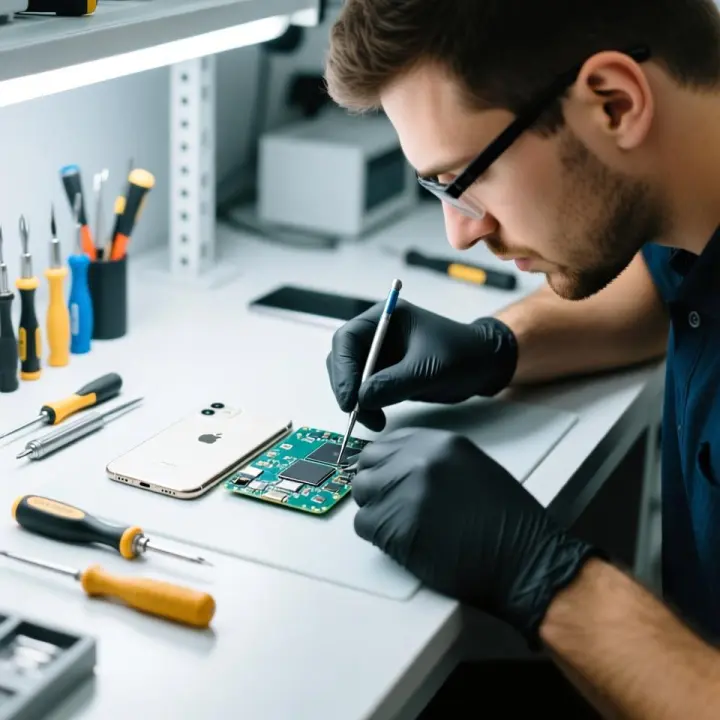
- Any complex internal issue (motherboard repairs, micro-soldering QFN, etc.)
- Your accessory is still in warranty and opening it may void the warranty.
- You lack the tools, knowledge, or confidence to fix the problem yourself.
In this regard, you can save yourself time and avoid making things worse by calling an expert or computer repair services in Princeton (if you are in or around Princeton) who offer expertise in both PC gaming hardware and console repairs. Local electronics repair services in Trenton and game console overheating solutions in Trenton can provide both parts and expert repairs for gaming accessories.
Preventative Maintenance Tips
By practicing preventive measures, you can increase the lifespan of your game console accessories. Here are a few tips;
- Clean them up: Get into the habit of cleaning your controllers, headsets and other accessories regularly. The number one cause of button sticking and audio issues is dust and grime.
- Proper Storage: Do not place your accessories in humid or hot places. Store your controllers and headsets in protective cases when in not use.
- Use Protective Covers: Get rubber or silicone covers for your controllers and headsets to save them from accidental drops or scratches.
Popular Tools and Resources for Accessory Repair
If you’re planning to tackle a DIY repair, here are a few essential tools and resources to get started:
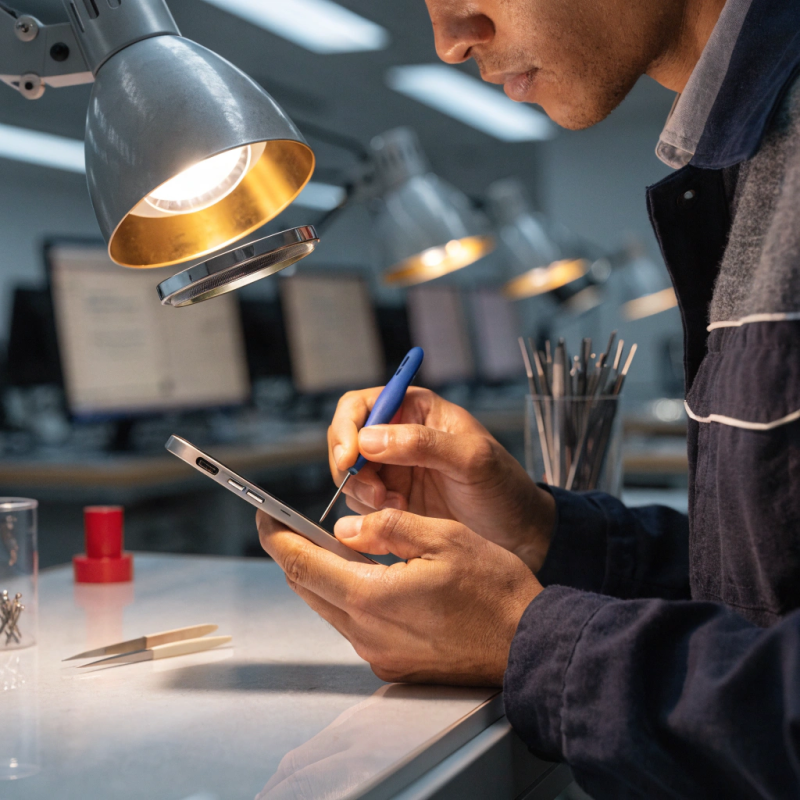
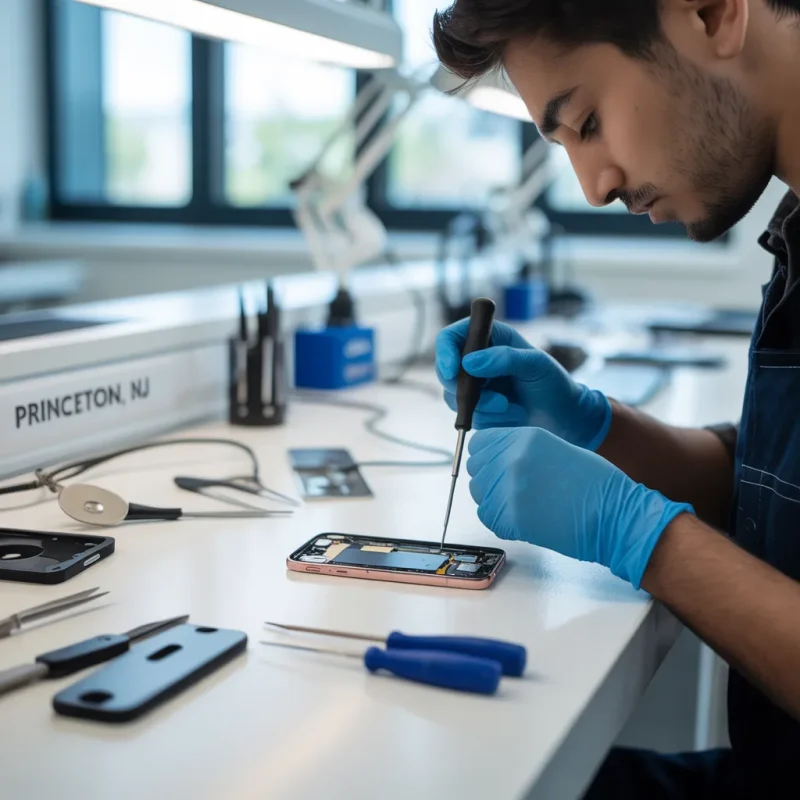
Tools: Tiny screwdrivers, a plastic pry tool, compressed air, cleaning wipes, and basic soldering tools (as needed).
Support: YouTube provides a plethora of step-by-step repair videos, and numerous online forums can give you troubleshooting advice from seasoned gamers.
Since game console accessories are essential for an optimal gaming experience, getting it repaired rather than replacing it is a good option both financially and for the environment. Bear in mind that if you believe the repair is too complicate, seeking professional help is the right thing to do. With regular maintenance and proper care, your accessories can continue to serve you for years to come.
FAQs for game console accessories repair:
1. How do I fix controller drift?
First try recalibrating through console settings, clean around the analog stick with compressed air, or if persistent, replace the analog stick module.
2. When should I seek professional repair help?
Seek professionals for complex internal repairs, when your device is under warranty, or if you lack the proper tools or experience.
3. Why won’t my controller buttons respond?
Usually due to dirt build up, worn-out contacts, or internal connection issues. Try cleaning with compressed air first.
4. How do I fix headset audio issues?
Check cable connections, clean the audio jack, test with different devices, and verify software settings are correct.
5. My controller won’t charge – what should I do?
Check the cable for damage, clean the charging port, try different cables, and if needed, consider battery replacement.
6. How often should I clean my gaming accessories?
Clean controllers externally weekly, perform monthly deep cleans, and wipe headsets after each use.
7. What basic tools do I need for repairs?
Small screwdrivers, plastic pry tools, compressed air, microfiber cloths, and isopropyl alcohol.
8. How can I prevent damage to my accessories?
Store in cool, dry places, use protective cases, handle with clean hands, and use protective covers for controllers.
9. External storage device not working?
Check connections, try different USB ports, test on another device, and consider reformatting if necessary.
10. Is it worth repairing vs. replacing?
Yes, repairs are often more cost-effective and environmentally friendly, especially for common issues that require simple fixes.